How old is a 8 foot alligator gar?
How Old Is an 8-Foot Alligator Gar? What TPWD Research Reveals About These Century-Old Fish
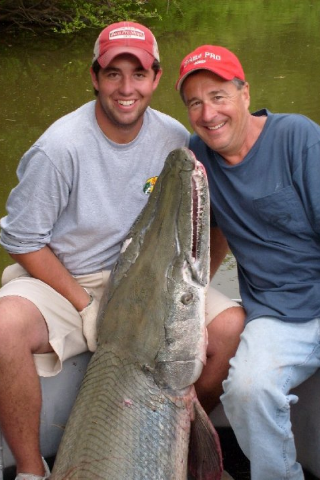
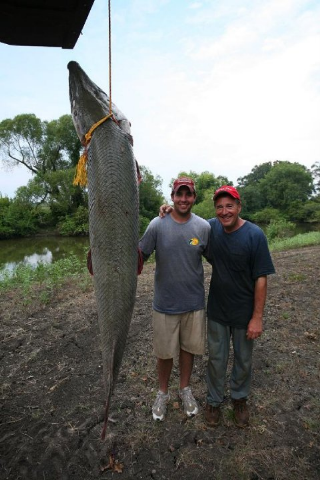
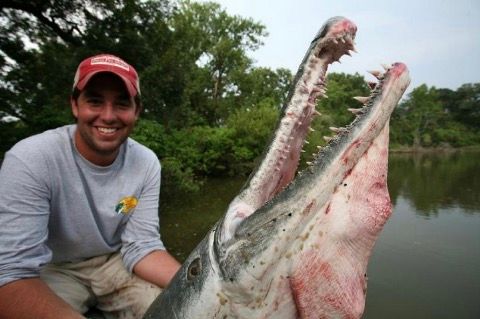
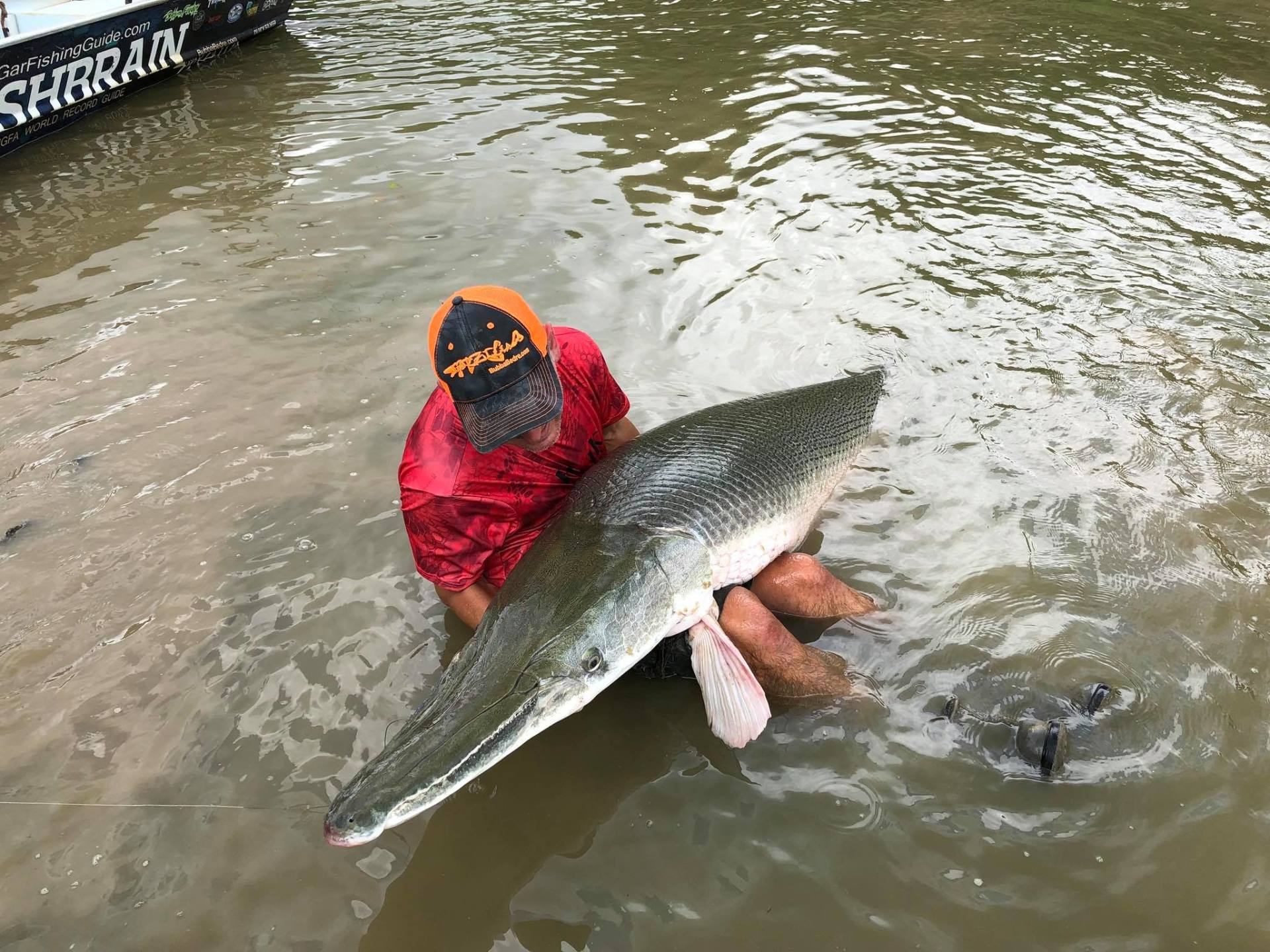
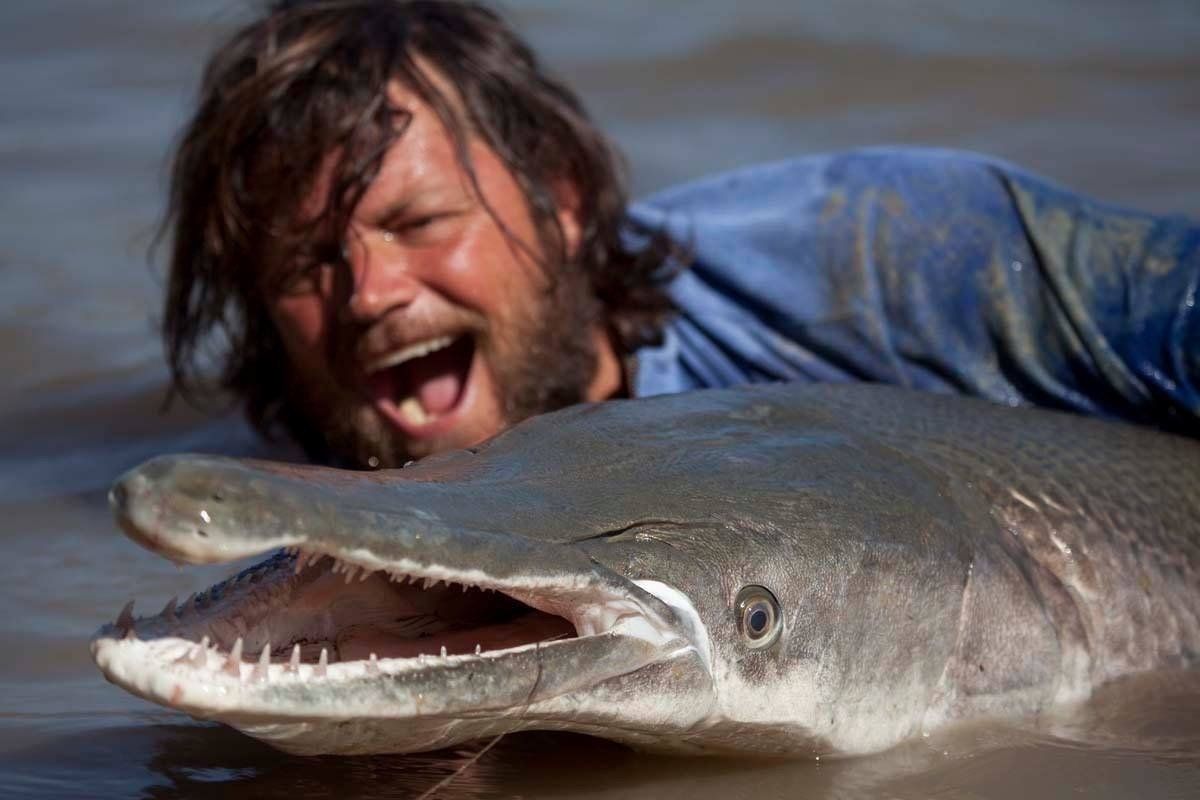
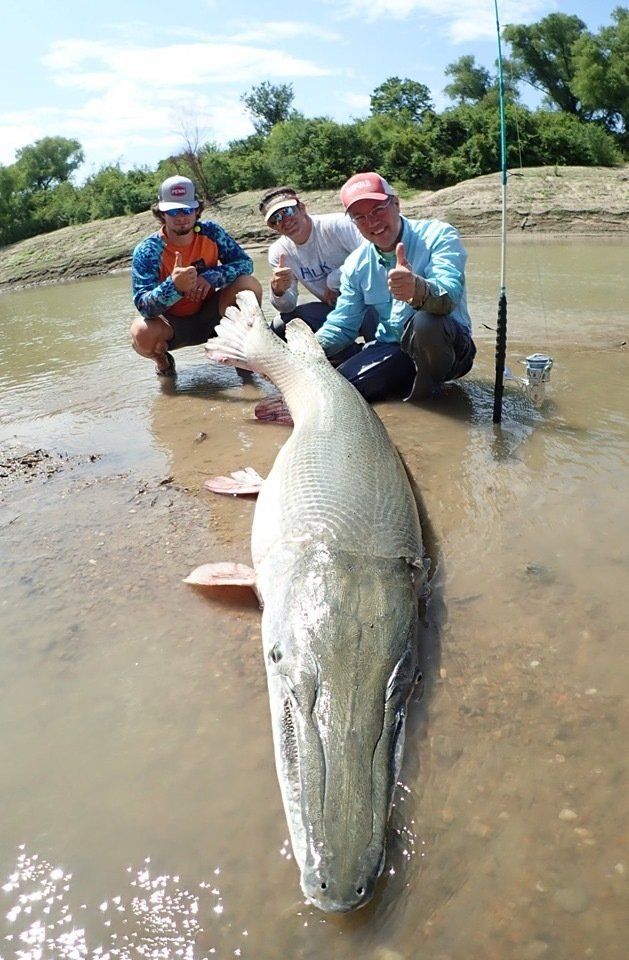
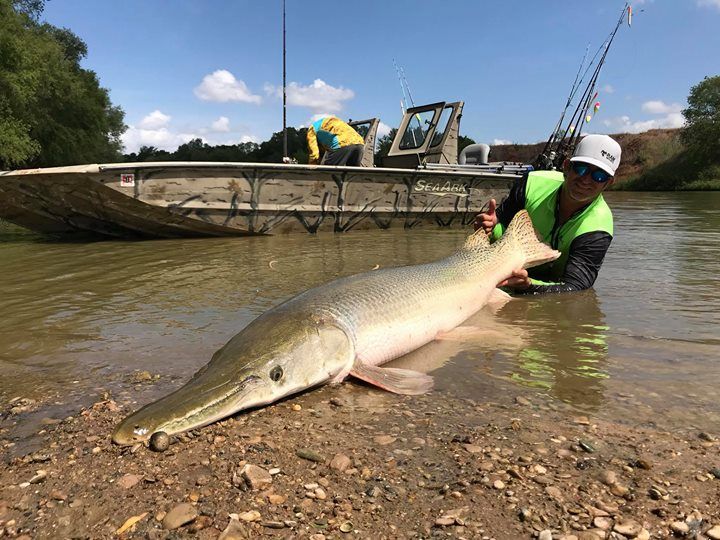
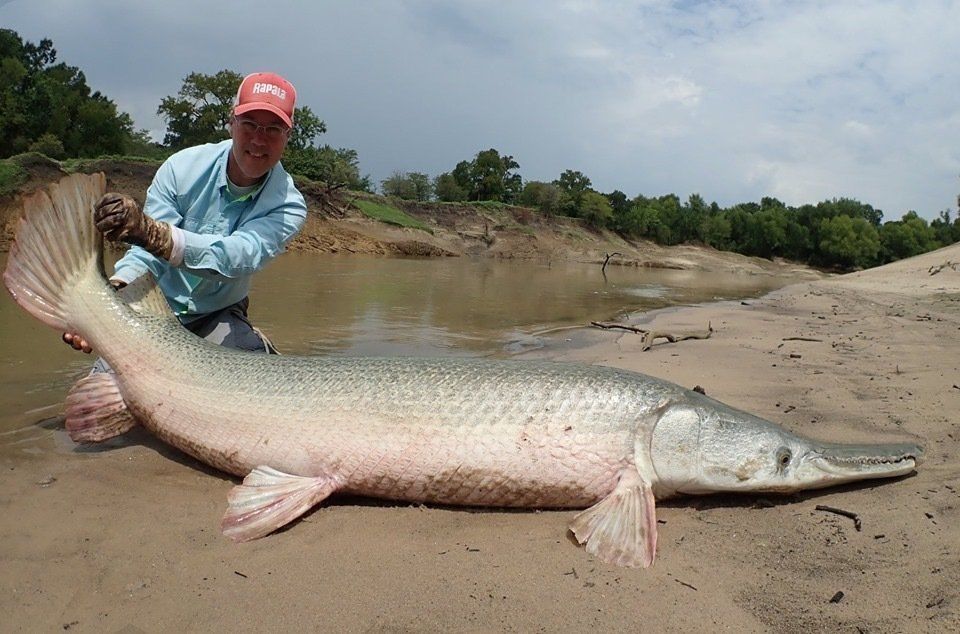
When you see an 8-foot alligator gar boatside, you are looking at a fish that was likely alive before your grandparents were born.
That is not poetic exaggeration. In 2024, scientists used laser ablation accelerator mass spectrometry to confirm what Texas Parks and Wildlife Department biologists had long suspected: alligator gar are a centenarian species. The largest documented fish in the species' history — the 327-pound world record caught in Mississippi in 2011 — was carbon dated to approximately 100 years old.
At Garzilla Guide Service, we have spent 19 seasons on the Trinity River. We have landed fish in every age class TPWD has studied. And as a sitting member of the Texas Parks and Wildlife Department Freshwater Fisheries Advisory Committee, the conservation of these slow-growing, long-lived fish is something our team thinks about every single day.
This is everything the latest TPWD research has taught us about alligator gar age, growth, and what it actually takes to grow one to 8 feet.
How TPWD Ages an Alligator Gar (And Why It's Brilliant)
Aging a fish that lives a century is harder than it sounds. The standard tool is the otolith — a small bony structure inside the fish's inner ear. Otoliths grow throughout the fish's life and form annual rings, exactly like a tree.
TPWD biologists pioneered the use of alligator gar otoliths starting with research published by David Buckmeier and his team in 2012. They validated otolith ages up to 31 years through direct comparison with known-age hatchery fish.
But here is where it gets brilliant. For older fish, the growth rings become harder to count accurately. So in 2019, TPWD's Dan Daugherty and his colleagues at the Heart of the Hills Fisheries Science Center in Mountain Home, Texas, pioneered a new approach: bomb radiocarbon dating.
Here is how it works.
In the 1950s and 1960s, the United States and Soviet Union conducted above-ground nuclear weapons tests. These tests released massive amounts of radioactive carbon-14 into the atmosphere. Every living thing on Earth absorbed this carbon — including every fish swimming in Texas rivers at that time.
By measuring the carbon-14 signature in the calcified center of an alligator gar's otolith, scientists can pinpoint the year that fish was born. A fish hatched in 1955 carries a different carbon signature than one hatched in 1965, and a completely different signature than one hatched before the testing ever began.
In 2020, Daugherty's team validated otolith aging in alligator gar up to 60-plus years using this method. In 2024, a follow-up study by Andrews, Daugherty, and colleagues pushed the technique even further using laser ablation. The result was the first scientific confirmation that alligator gar can reach 100 years or more.
When TPWD researchers carbon dated one large female from Texas, the result came back at exactly 100.5 years old. A fish older than the Texas oil boom.
How Long Does It Take to Reach 8 Feet?
This is where it gets interesting for trophy anglers.
Young alligator gar grow extraordinarily fast. TPWD research found that in the Trinity River specifically, age-0 fish (less than one year old) grow approximately 5.13 millimeters per day — among the fastest growth rates of any freshwater fish in North America. This rapid early growth is enabled by the gar's quick transition to eating other fish from a young age.
Within three years, a Trinity River alligator gar can reach three feet in length.
But after that, growth slows dramatically.
Based on the combined research published by TPWD and partner institutions, here is the approximate growth timeline for alligator gar in Texas waters:
Length Approximate Age 3 feet ~3 years 6 feet 20–30 years 7 feet ~40 years 8 feet 50–80+ years 8 feet 5 inches 95–100+ years (world record class) The slowdown is dramatic. A fish doubles in length from 3 feet to 6 feet, but that takes roughly ten times longer than the first three feet. Adding the next two feet — to reach 8 feet — can take another 30 to 50 years.
And reaching the absolute upper end of the species' size potential — around 8 feet 5 inches and 327 pounds — requires the better part of a century of survival in the river.
Why Most Trophy Alligator Gar Are Female
Here is something most anglers don't realize. TPWD research has confirmed that virtually all of the largest alligator gar in any given population are female.
Male alligator gar simply do not live as long or grow as large. Females take approximately 10 years on average to reach breeding age. And the spawning conditions they require — major flood events that fill river floodplains with shallow, vegetated water — do not occur every year.
This is part of why the population dynamics of alligator gar are so different from most fish people are familiar with. Removing a single 7-foot fish from a river is not the same as removing a single 7-foot bass. You are removing a female that may have spent 40 years preparing to spawn during the next major flood. And the next flood may not come for another 5 to 10 years.
What This Means for the Trinity River Population
TPWD's mark-recapture studies on the Trinity River — which were assisted by Texas fishing guide Kirk Kirkland — produced some of the most detailed population data ever collected for the species.
The 200-mile stretch of the Trinity River between Dallas and Lake Livingston was estimated to hold:
- About 9,200 alligator gar 42 inches or longer
- About 1,400 fish 78 inches (6.5 feet) or longer
- An annual harvest rate of approximately 3–4 percent
Of those harvest events, 73 percent occur between April and July — coinciding with peak alligator gar fishing season. TPWD biologists determined that the sustainable annual harvest rate is approximately 5 percent of fish 42 inches and longer — meaning the current harvest is within sustainable bounds, but the margin is thin.
This is why Texas has maintained the one-fish-per-day regulation since 2009. It is also why our team practices catch and release on every trophy fish we put in front of our clients.
Why a 7-Foot Gar Deserves Extra Respect
When our team lands a 7-foot alligator gar with a client, we are handling a fish that was likely born when Eisenhower or Kennedy was in the White House. A fish that has survived four decades of floods, droughts, predators, and angling pressure on the Trinity River.
You can replace a 5-pound bass in two years. You cannot replace a 7-foot alligator gar in a human lifetime.
That is the case for treating every trophy alligator gar as a once-in-a-river fish. It is the case for catch and release as a baseline practice. It is the case for the careful handling, proper photography, and rapid release techniques our guides use on every trophy fish.
TPWD researchers have explained the science clearly: longevity in alligator gar appears to be an evolved trait, likely because the species has limited opportunities for successful reproduction in any given year. The fish lives a century because it has to. Reproductive success depends on flood events that may only occur a few times per decade. A fish that lives 100 years gets maybe 10 to 20 real shots at producing offspring across its entire life.
Take that fish out of the river, and you do not just lose one fish. You lose all the offspring it would have produced over the next 30 to 50 years of remaining life.
Why Garzilla Sits on the TPWD Advisory Committee
Bubba Bedre, founder of Garzilla Guide Service, sits as a member of the TPWD Freshwater Fisheries Advisory Committee. This is not a sales credential. It is recognition that 19 years of running professional alligator gar trips on the Trinity River produces a perspective that informs better fishery management.
Our team works alongside TPWD biologists because we want the Trinity River to be producing 8-foot, 100-year-old fish for the next century. That requires good science, sustainable regulations, and a guide community committed to conservation.
Garzilla also founded the Texas Gar Fishing Association — the industry body that promotes responsible alligator gar fishing across the state.
Catch a Trophy Gar — Then Release It
Our team has guided 41 IGFA World Record catches on the Trinity River. Many of those fish were 7 feet or longer. Every one of them swam back into the river to keep growing.
Our 258-plus five-star reviews are from clients who landed fish older than they are. They got the photo, the memory, the story for the rest of their life. And the fish kept living.
If you want to land an alligator gar that has been swimming through the Trinity since World War II, our team can give you a legitimate shot at it. We are running trips through September 2026 — peak gar fishing months.
📅 Book Your Trinity River Trip →
Or call us at (903) 724-6888. International clients: WhatsApp +1 903-724-6888.
The 100-year-old fish are still out there. The science says so.
Garzilla Guide Service is the world's #1 alligator gar fishing guide service. 41 IGFA World Records. 28 celebrity clients. 258+ five-star reviews. Palestine, Texas. Established 2007. Visit garfish-texas.com to learn more.
Alligator Gar Fishing With Bubba Bedre