Living Dinosaur : 7 Fascinating Facts About the Alligator Gar

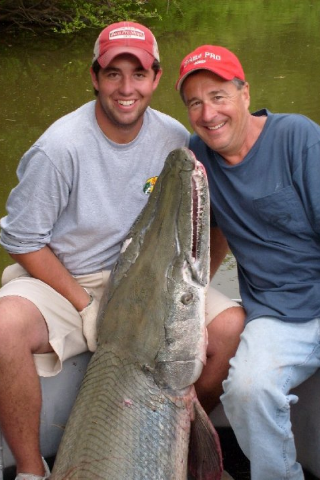
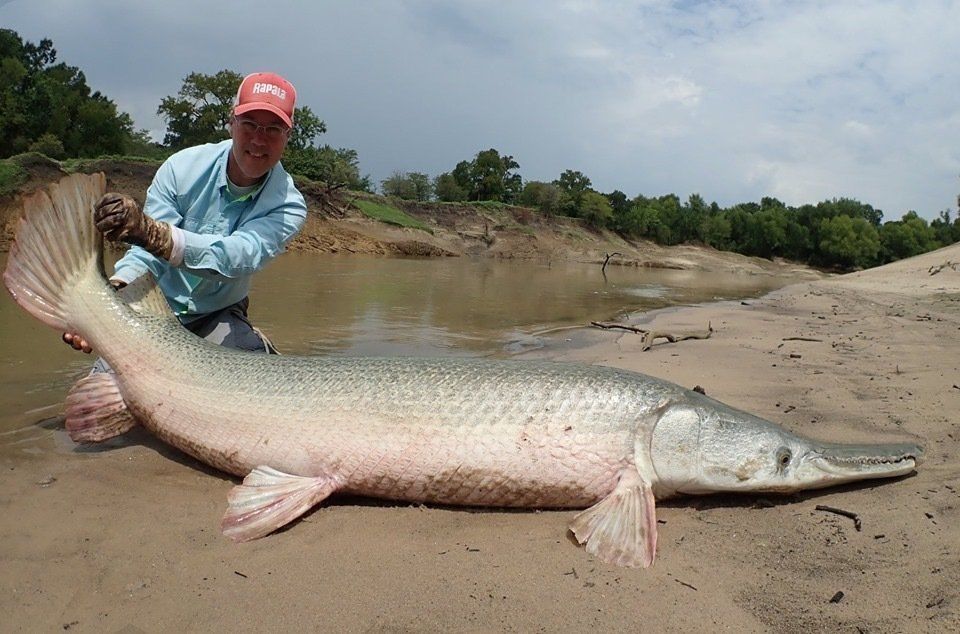
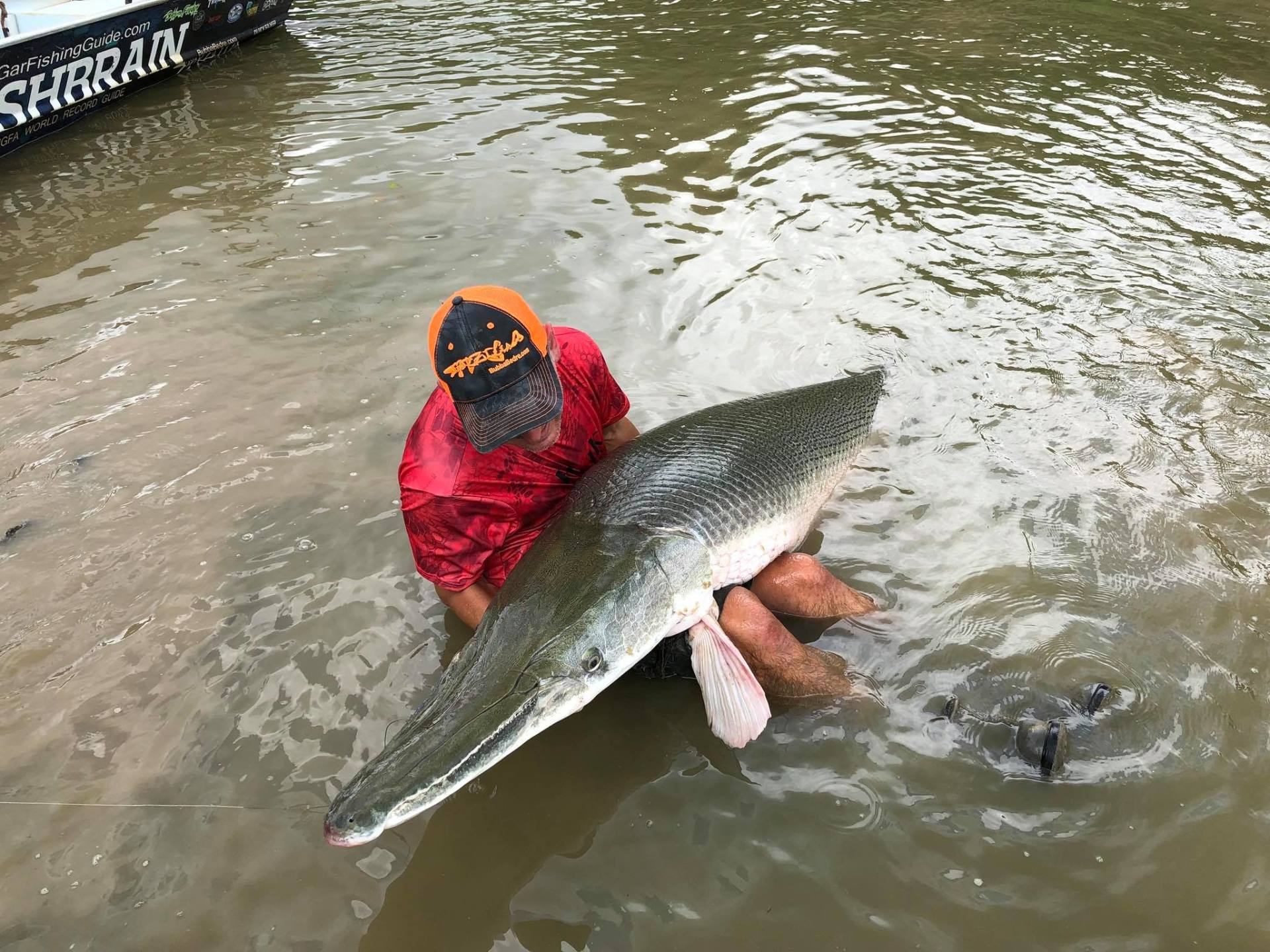
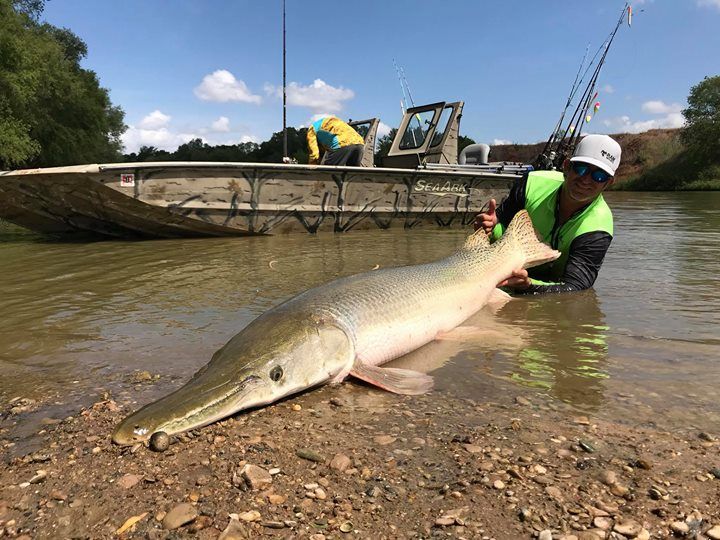
A person kneeling in shallow water beside a boat, holding a large alligator gar.

Living Dinosaur : 7 Fascinating Facts About the Alligator Gar
Step aside, T-Rex. There’s another ancient predator still ruling the waters of North America. Lurking in the slow-moving rivers, swamps, and bayous from the Mississippi River basin to the Gulf Coast of Mexico is a fish that looks like it swam straight out of the Cretaceous period. Meet the alligator gar (Atractosteus spatula)—a magnificent, misunderstood, and truly fascinating creature.

With a long, broad snout reminiscent of an alligator and a body armored in diamond-shaped scales, the alligator gar is a true river monster. But beyond its intimidating appearance lies a story of incredible survival and unique adaptations. Let's dive into some of the most amazing facts about this living fossil.

1. They Are Genuine Living Fossils

When we say "living fossil," we mean it. The alligator gar's lineage stretches back over 157 million years into the Late Jurassic period. This means their ancestors were swimming in primeval waters when dinosaurs like Stegosaurus and Allosaurus roamed the Earth. They have changed very little over the eons, making them a stunning window into our planet's distant past.

2. They Are One of North America's Largest Freshwater Fish

The alligator gar is a giant. While many average around 5 to 6 feet, they can reach truly monstrous proportions. The official world record, caught in Mississippi's Lake Chotard in 2011, weighed a staggering 327 pounds and measured 8 feet, 5 inches long! It's estimated that this behemoth was between 90 and 100 years old. Their slow growth and long lifespan mean the largest individuals are often incredibly old.

3. Their Scales Are Natural Body Armor

Forget chainmail. Alligator gar are equipped with a nearly impenetrable coat of armor made of ganoid scales. These are not like the flexible scales of most modern fish. Ganoid scales are thick, interlocking, diamond-shaped plates made of a bone-like material covered in a hard, enamel-like substance called ganoine. This armor is so effective that it can even deflect small-caliber bullets and protect the gar from other predators. Historically, Native Americans used these durable scales as arrowheads and jewelry.

4. They Can Breathe Air

One of the alligator gar's most remarkable survival traits is its ability to breathe both air and water. While they have gills like any other fish, they also possess a highly vascularized swim bladder that connects to their throat and functions much like a primitive lung. This allows them to surface and gulp air, enabling them to survive in warm, stagnant, or low-oxygen waters where other fish would perish. This is a key adaptation that has helped them thrive for millions of years.

5. Two Rows of Teeth in a Powerful Jaw

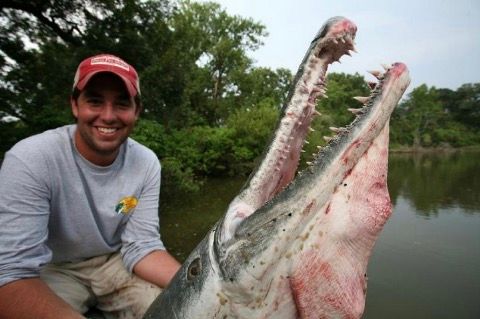
The "alligator" in their name is well-earned. Their broad, powerful jaws are lined with not one, but two rows of sharp, needle-like teeth in their upper jaw. This formidable dental arrangement is perfect for their hunting style. As ambush predators, they lie perfectly still, waiting for unsuspecting prey—like fish, waterfowl, or small mammals—to swim by. With a lightning-fast whip of its head, the gar impales its victim with its teeth before swallowing it whole.

6. Their Eggs Are Poisonous to Mammals and Birds

As a defense mechanism to protect their future generations, the eggs (roe) of the alligator gar are toxic to most animals, including humans, mammals, and birds. The eggs contain an ichthyotoxin, a type of defensive poison. This clever evolutionary strategy ensures that would-be predators think twice before raiding a gar's nest, giving the vulnerable eggs a better chance of hatching.

7. They're Not the Monsters People Think

Despite their fearsome appearance, alligator gars are not a significant threat to humans. There are no confirmed cases of an alligator gar killing a person. They are generally shy and will avoid human interaction. While their size and teeth demand respect, they are often scapegoated for declines in sport fish populations. In reality, they are apex predators that play a crucial role in maintaining a healthy, balanced aquatic ecosystem by preying on weak or overabundant species.

A Survivor Worth Protecting

For decades, alligator gar were considered "trash fish" and were subject to unregulated fishing and even targeted eradication campaigns. Today, however, scientists and conservationists recognize their ecological importance and incredible history. These magnificent survivors have outlasted the dinosaurs, navigated ice ages, and adapted to an ever-changing world. The alligator gar isn't just a fish; it's a living relic, a testament to resilience, and a true dragon of our American waterways. Let's give this ancient marvel the respect it deserves.

Alligator Gar Fishing With Bubba Bedre
By Bubba Bedre June 16, 2026
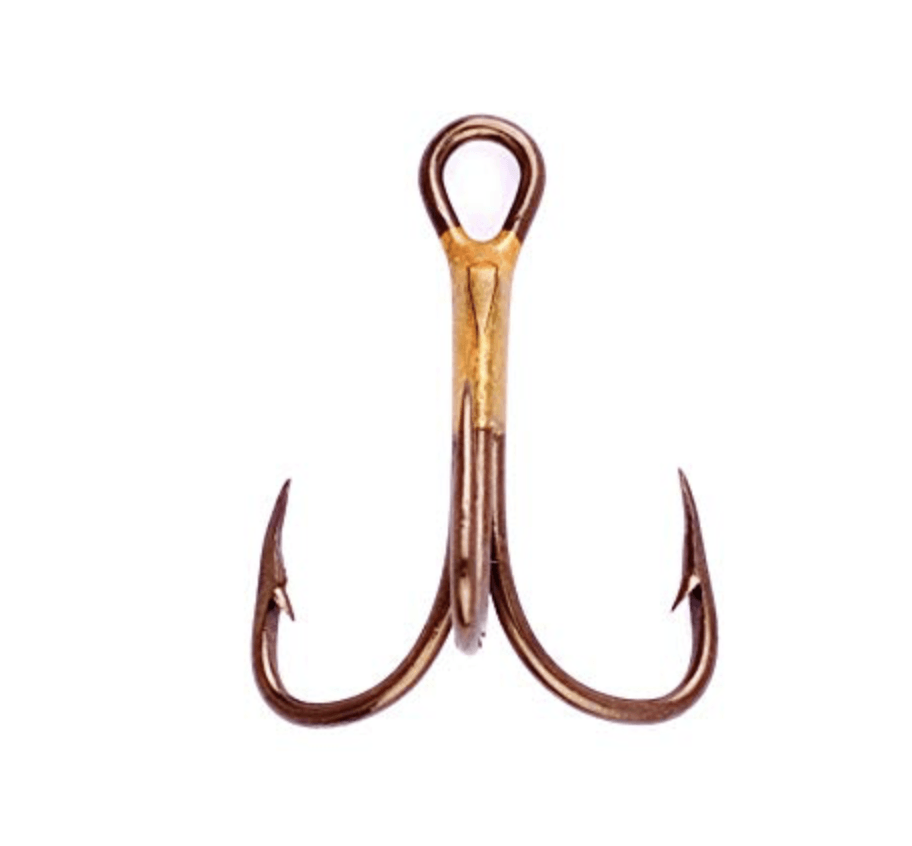
Controlled testing and TPWD fish tagging data prove bronze treble hooks give alligator gar a far better survival rate than J-hooks. Here's what the science actually shows.
By Bubba Bedre June 16, 2026
Learn how to catch alligator gar from Bubba Bedre — the right rod, reel, leader, bait, hook-set technique, and where to find fish on the Trinity River in Texas.
By Bubba Bedre June 16, 2026
Alligator gar fishing peaks April–September on the Trinity River. Learn which months produce the biggest fish, the best action, and why June is the #1 time to book.
By Bubba Bedre June 16, 2026
Learn what separates elite alligator gar guides from amateurs — experience, IGFA records, boat size, reviews, and more. Book with the #1 guide service in the world.
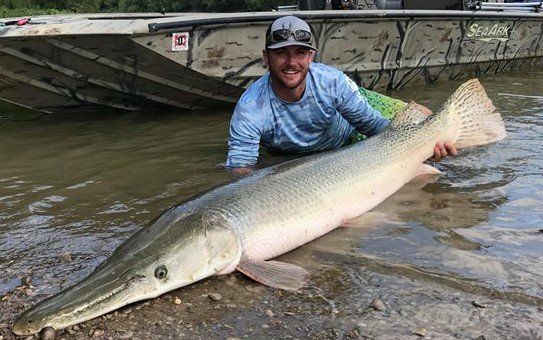
A trophy alligator gar over 7 feet long, estimated 40 years old, caught and released on the Trinity
By Bubba Bedre June 2, 2026
TPWD research using carbon dating shows alligator gar can live 100+ years. Here's how long it takes one to reach 8 feet and why these fish deserve protection.
Trophy alligator gar over 200 pounds caught on the Trinity River by Garzilla Guide Service
By Bubba Bedre June 2, 2026
A 251-pound alligator gar was landed on the Trinity River in April 2026. Here's why these fish exist, how big they get, and what it takes to land one.
Trinity River Gar Guide
By Bubba Bedre May 22, 2026
Fish the world's #1 alligator gar river with the team holding 41 IGFA World Records. Expert Trinity River gar guides based in Palestine, Texas. Season April–September. Book today (903) 724-6888.
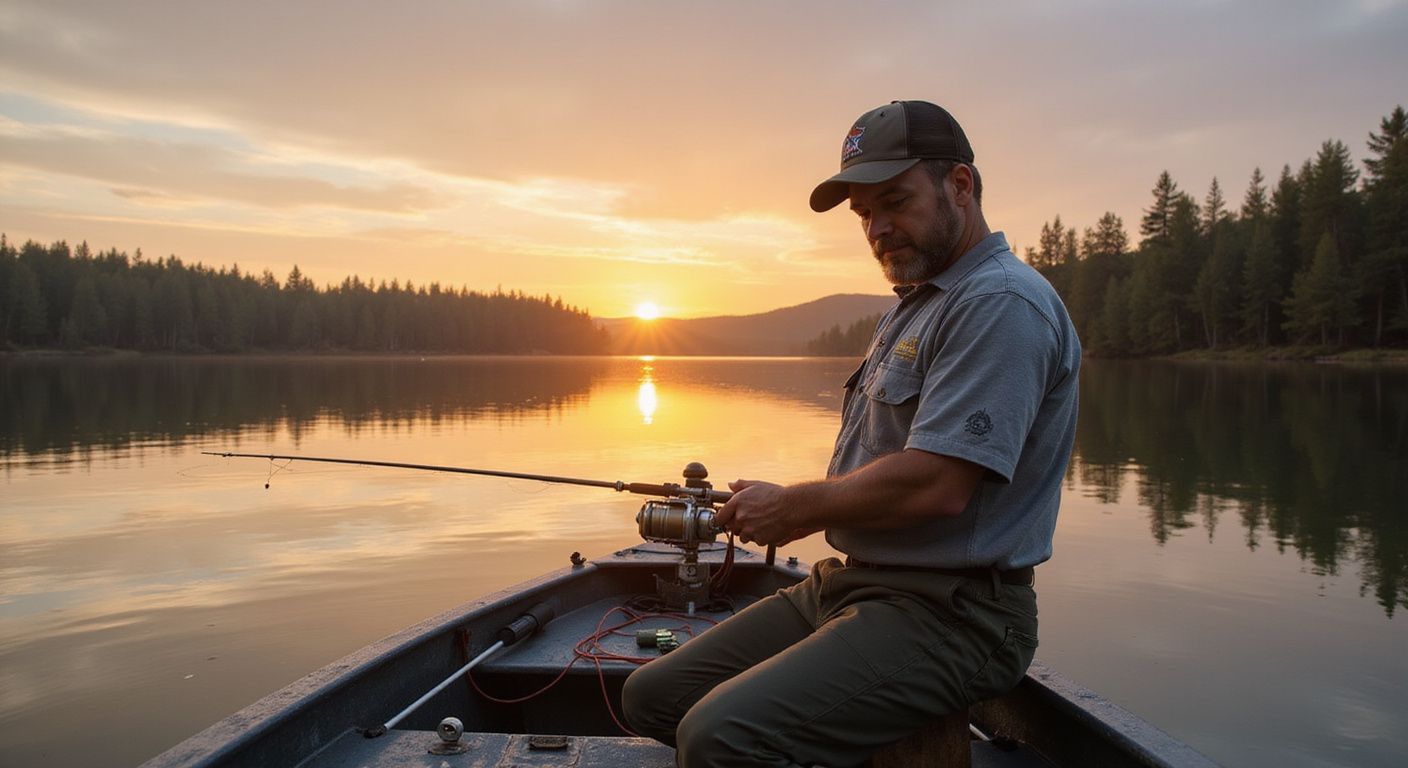
A person sits in a small boat on a calm lake at sunrise, focused on fishing with a rod held over the water.
By Bubba Bedre November 12, 2025
Fish the world's #1 alligator gar river with the team holding 41 IGFA World Records. Expert Trinity River gar guides based in Palestine, Texas. Season April–September. Book today (903) 724-6888.
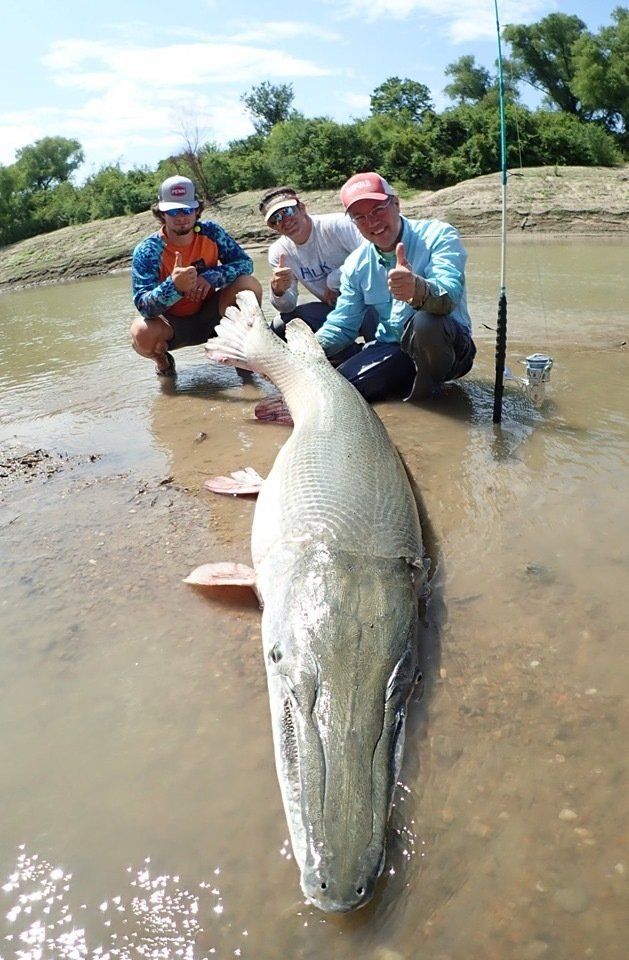
Three people with a large, long fish on a muddy riverbank; two thumbs up, sunny day.
By Bubba Bedre June 27, 2020
Learn to catch alligator gar from the team holding 41 IGFA World Records. Exact gear, leaders, bait, and the rig that lands 100+ lb Trinity River monsters.
Angler holding large alligator gar on riverbank; boat in background.
By Bubba Bedre January 28, 2019
I grew up in the Trinity River bottom. My whole life has revolved around hunting and fishing there. I remember when you never even seen a boat on the river for weeks at time and the Alligator Gar were so thick in parts of the river it would seem like you could walk across them on the tops of there backs. Those days we killed every alligator gar we had the chance to kill. It was rumored that they eat all the game fish and we wanted to rid the river of them. One thing led to another. Now we have found a new way to kill them and it was fun and some what sporting. A cross between bow hunting and fishing. The sport took off fast. Wasn’t long everyone was wanting to come shoot one of these monster alligator with a bow. It wasn’t easy. You had to really know what you were doing to get up and close to shoot a big fish. Now the time is about 2007. The internet is growing and people from across the country and world are starting to hear rumors of this giant fresh water half alligator half fish creature that you can go kill in Texas. I now find myself guiding bowfishing trips. Having fun doing what I like to do and make a little pocket change to boot. That’s when we caught the attention of icon films from Europe. They contacted me and wanted to film the alligator gar with some guy named Jeremy Wade. I had never heard of this guy. So be it his show was a hit Success called River Monster , and aired on Animal Planet all over the world. Now we have anglers and bow fishermen alike traveling across the globe to see this prehistoric freak of a fish. Now I am now seeing other anglers, guides , and bow fishermen all over the once remote stretch of river. All trying to get a glimpse of this monster. Fishing holes that once held unbelievable amounts of fish are disappearing. I now find myself working harder to produce big fish for my guest. That’s when I realized and seen first hand the effect my hand played in the role of nature. I put my bow down and went catch and release only. I realized if we didn’t slow down on killing these really big fish that over time it would be to late. My days of running the river and not seeing a boat for weeks are now gone. The Trinity River has now turned into the most popular place in the world to go after alligator gar. I am seeing bowfishing tournaments bringing in people from across the county all set on killing as many of the big fish the law allows. I see numbers declining. Once good fishing spots with no fish there. I am traveling 30 miles of river just to keep my success rate as high as it use to be when I only had to fish 7 miles away from the boat ramp. I am seeing all this because I have seen what it was like before there was all of that. If you didn’t grow up on this stretch of river 40 years ago then you do not know what it used to be like. Now is the time we all need to set our differences aside. come together to protect the alligator gar for all likes of sportsmen. Texas is the best place in the world for trophy alligator gar. If we intend sustain enough big alligator gar for the growing population to enjoy then we must start with some kind of regulations that benefit us all. Capt. Bubba Bedre Garzilla Guide Service
Show More