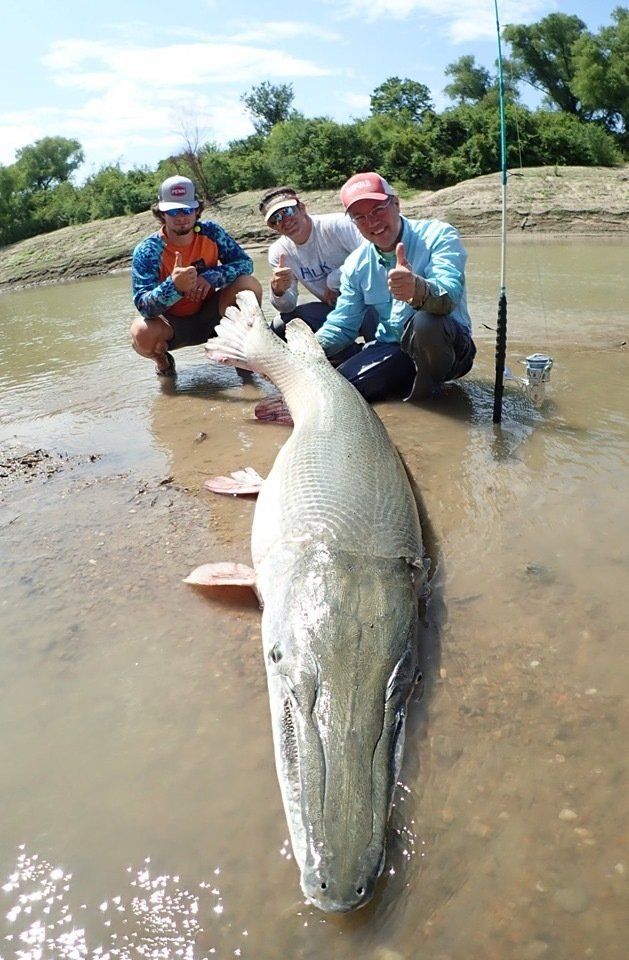
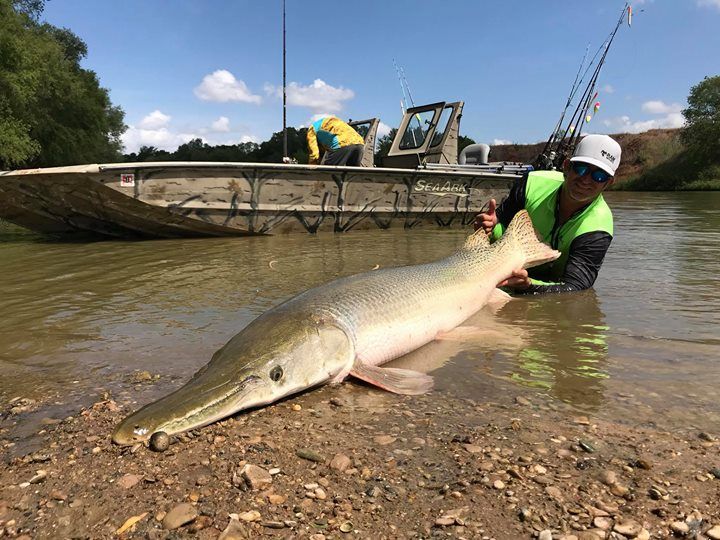
Alligator gar fishing peaks April–September. Learn which months produce the biggest fish, the best action, and when June stands out as the #1 time to book.
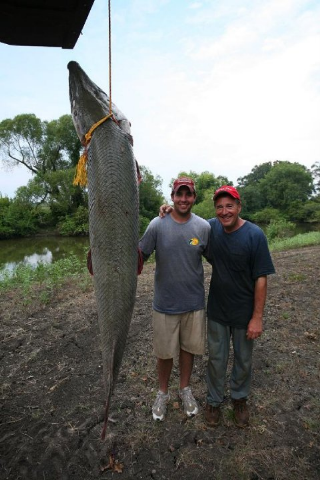
Alligator gar are available in Texas year-round — but available and catchable are two very different things. If you want a realistic shot at a trophy fish, timing matters. Water temperature, spawning behavior, current conditions, and seasonal patterns all influence where gar are, how active they are, and how willing they are to eat.
Here's what 41 years on the Trinity River has taught us about when to go — and when to wait.
The Short Answer: April Through September
The alligator gar season at Garzilla Guide Service runs April through September, and that window isn't arbitrary. It tracks the biological reality of when these fish are most active, most accessible, and most likely to give you a trophy-caliber fight.
Outside that window, gar become sluggish, move to deeper water, and feed far less aggressively. You can still find them — but you're fighting the biology of the fish, and that's a losing battle.
April and May: The Season Opener
As water temperatures climb out of winter lows and push toward the 65–70°F range, alligator gar begin moving. They come out of their deep wintering holes, spread across more of the river system, and start feeding actively again.
April and May offer some of the most consistent action of the year. The fish are hungry after a winter of minimal feeding, the water is rising toward optimal temperatures, and surface activity begins picking up. You'll start seeing gar rolling — that distinctive surface behavior where they gulp air — which tells you exactly where to focus.
These months also tend to have more manageable weather. Temperatures are comfortable, the heat hasn't hit yet, and the river is often in good shape. For first-time clients or international visitors not accustomed to Texas summers, April and May are an excellent entry point.
What to expect: Active fish, good water clarity in many stretches, consistent feeding windows in morning and late afternoon.
June: Prime Time Begins
June is when things get serious. Water temperatures are in the 75–80°F range — the sweet spot for alligator gar metabolism and aggression. Fish are feeding heavily, moving more, and responding well to bait presentations.
June also marks the beginning of the spawning period for alligator gar. Pre-spawn and spawn behavior concentrates fish in specific areas of the river, which means a guide who knows those locations can put you on numbers — not just one fish, but multiple shots in a single day.
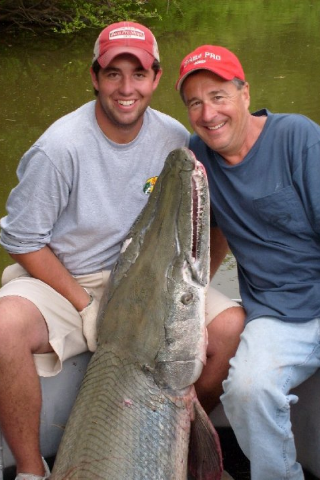
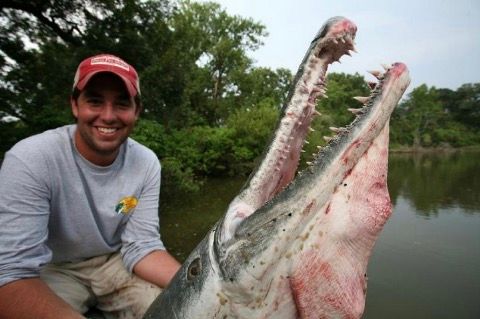
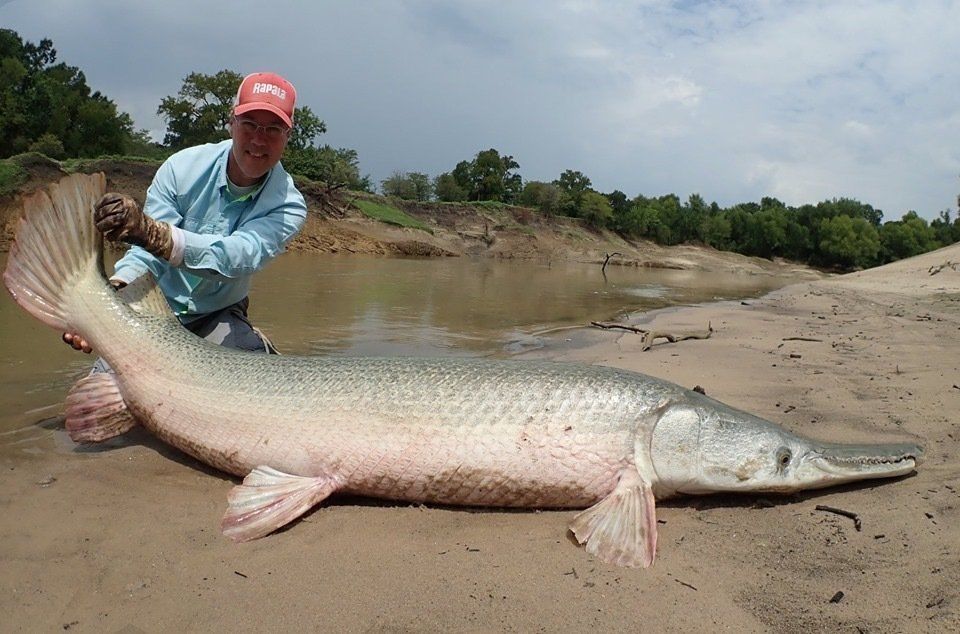
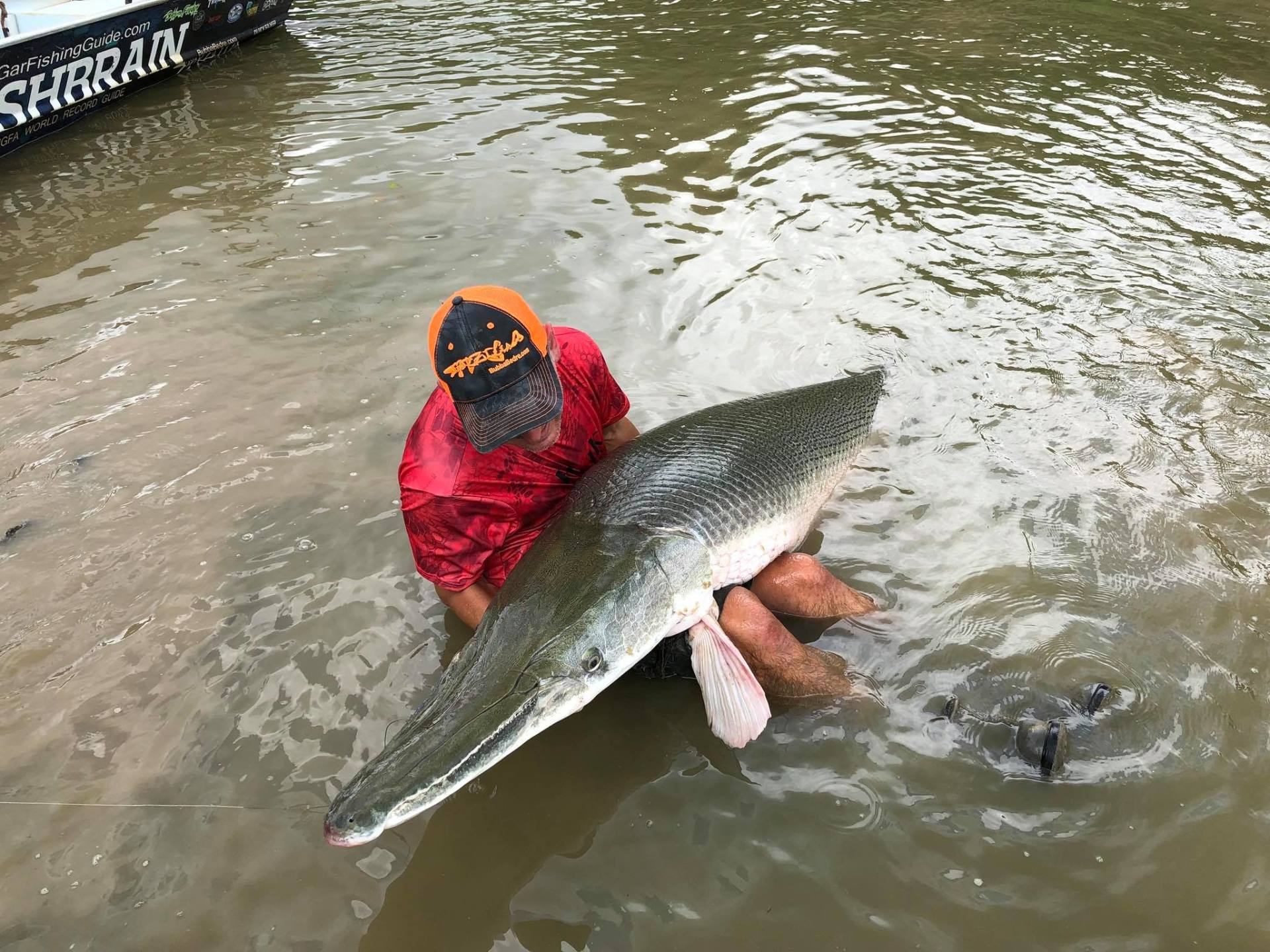
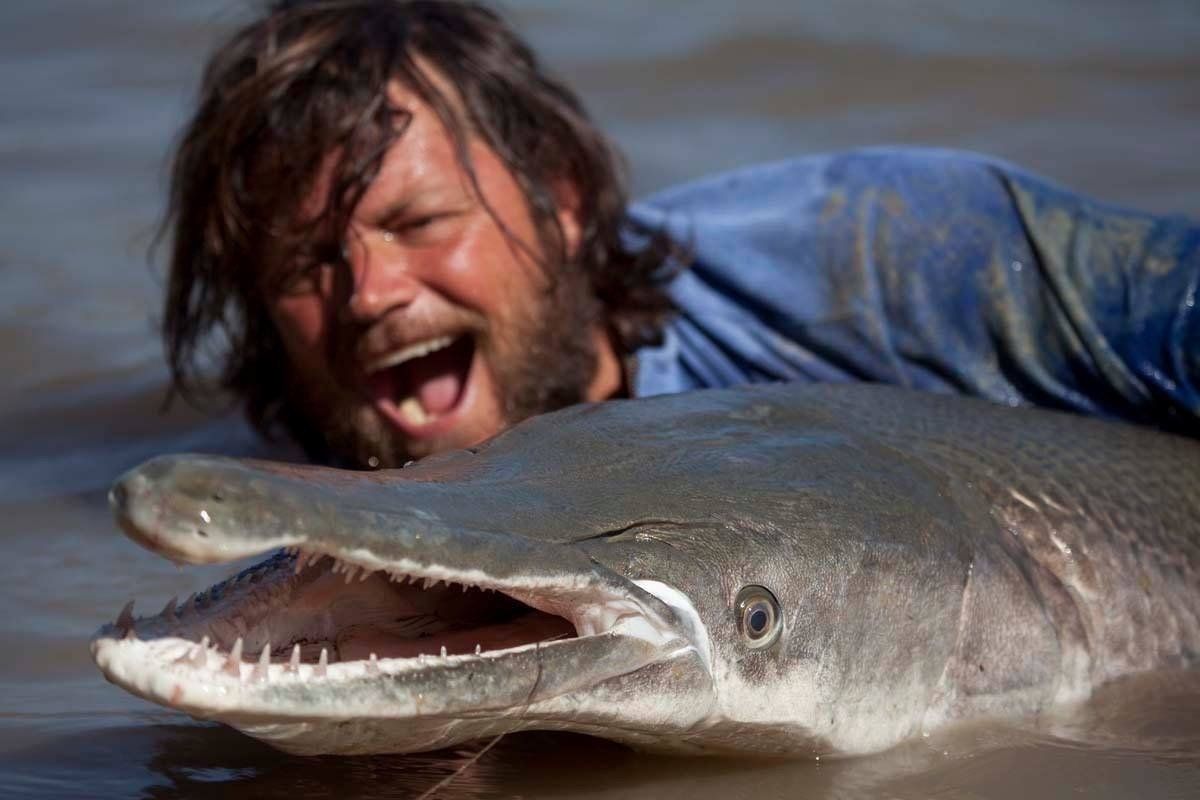
This is also when the sheer size of the fish becomes more apparent. Gar that have been feeding since April are at peak weight and condition. The chance of a 100+ pound fish is real, and the chance of something pushing 200 pounds is on the table.
What to expect: The best combination of numbers and size. Top-tier action for clients targeting a personal best.
July and August: Trophy Season
If your goal is the biggest alligator gar possible, July and August are your months. Water is warm, fish are at maximum metabolic activity, and the largest specimens in the river are on the feed.
These are also the most physically demanding months to fish. Texas summer heat is not a minor inconvenience — temperatures regularly exceed 100°F on the water. Hydration, sun protection, and early starts are non-negotiable. Garzilla trips are structured to put you on fish during the most productive windows and get you off the water before conditions become dangerous.
The Trinity River in summer holds some of the highest concentrations of trophy alligator gar anywhere on the planet. Our 41 IGFA World Records were set across the season, but a significant number came out of the summer months when fish are at their largest and most aggressive.
What to expect: Maximum fish size, demanding conditions, the highest probability of a record-class catch.
September: The Final Push
September is the underrated month. Crowds thin out, temperatures start to ease slightly in the second half of the month, and gar are still actively feeding before they begin their transition toward winter behavior.
For experienced anglers who've missed the peak summer window, September offers a legitimate second chance at a trophy fish. The fish are still there, still eating, and the conditions are more forgiving than August. Some of the most memorable trips we've guided have happened in late September when everything comes together one last time before the season closes.
What to expect: Excellent fishing, fewer people on the water, gradually improving comfort as the month progresses.
What About the Off-Season?
October through March, alligator gar move to deeper, slower water and largely shut down their feeding activity. Water temperatures below 60°F put these cold-blooded fish into a semi-dormant state. They're alive and present — but not actively hunting, not rolling on the surface, and very difficult to target effectively.
This is also when many guide operations quietly stop taking bookings. At Garzilla, we're honest about it: if you want a trophy alligator gar, the off-season is not the time to come. We'd rather tell you to wait for April than take your money for a trip where the odds are stacked against you.
The Best Single Month to Book
If you can only pick one month, June is the answer. Water temperatures are optimal, fish are in pre-spawn and spawn concentration, feeding activity is at its peak, and the heat is manageable compared to July and August. You get the best of every variable at once.
July and August are close seconds if your primary goal is maximum fish size over comfort.
Plan Your Trip with Garzilla Guide Service
Garzilla Guide Service operates April through September on the Trinity River out of Palestine, TX. With 41 IGFA World Records, 7 boats, and 41+ years of experience on the water, we put more clients on trophy alligator gar than any other guide service in the world.
All trips start at 6 hours minimum. Catch-and-release only.
Alligator Gar Fishing With Bubba Bedre