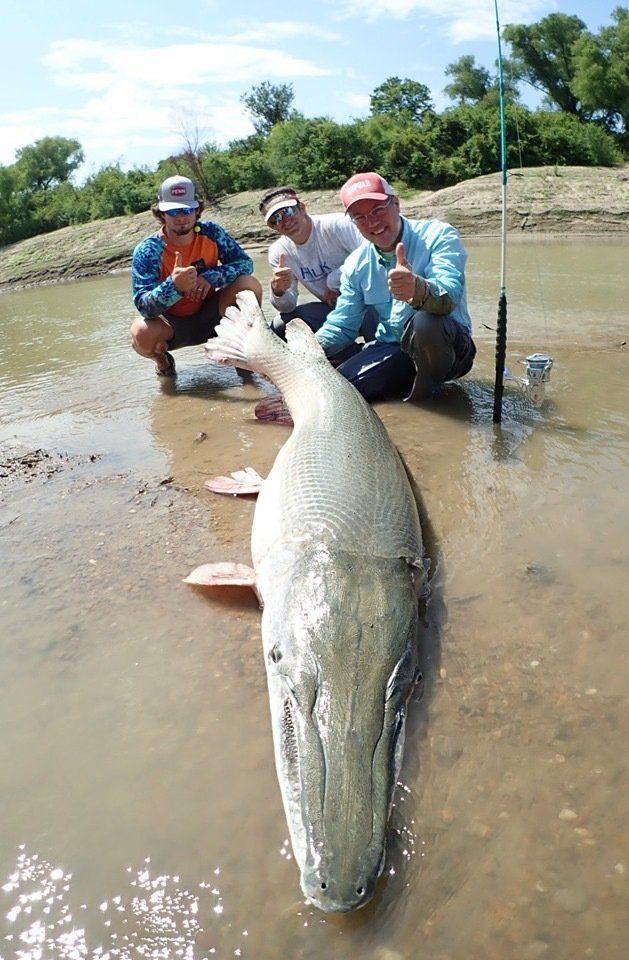
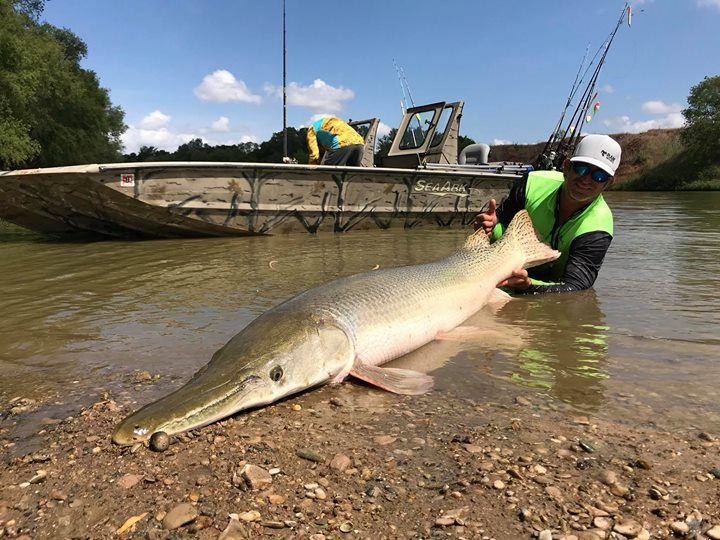
Rod, reel, leader, bait, hook-set technique, and water-reading tips from Bubba Bedre — 41+ years on the Trinity River and 41 IGFA World Records for alligator gar.
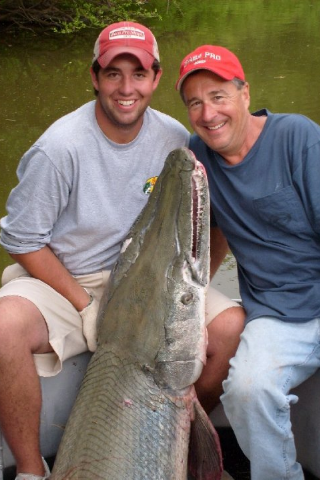
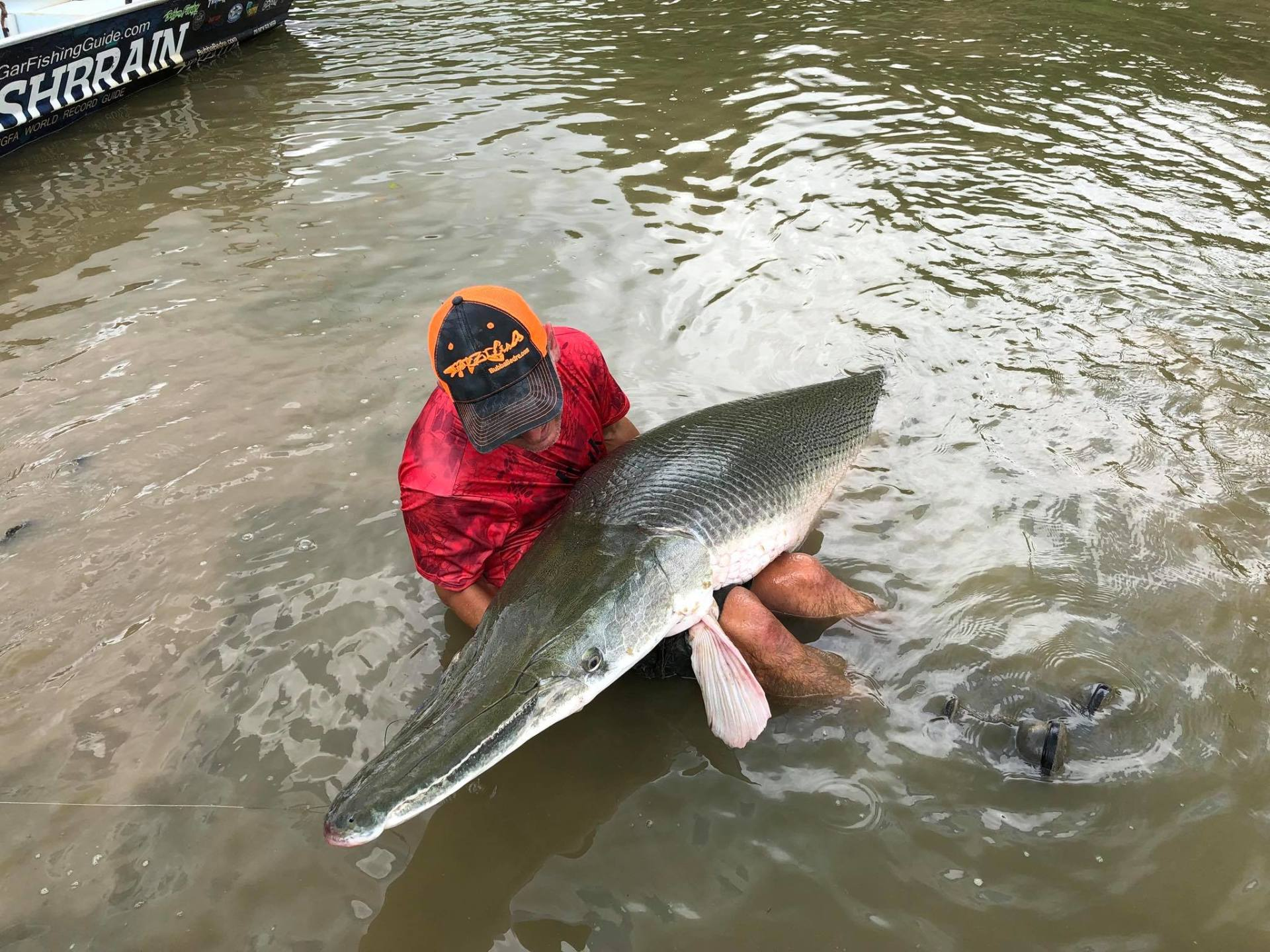
My name is Bubba Bedre. I've been guiding alligator gar trips on the Trinity River since 2007 — 41+ years on this water total — and I hold 41 IGFA World Records for the species. People ask me all the time: what does it actually take to catch a big alligator gar?
Here's everything you need to know.
Understanding Alligator Gar Before You Fish
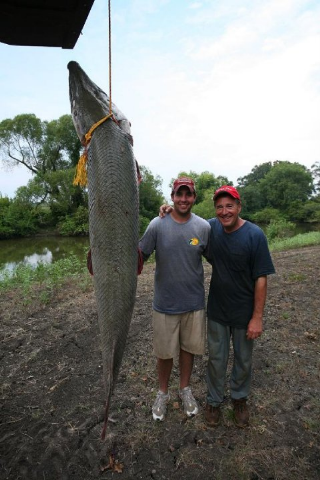
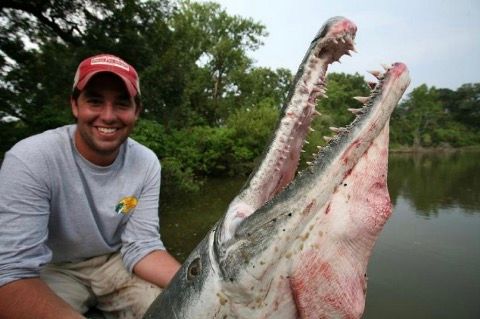
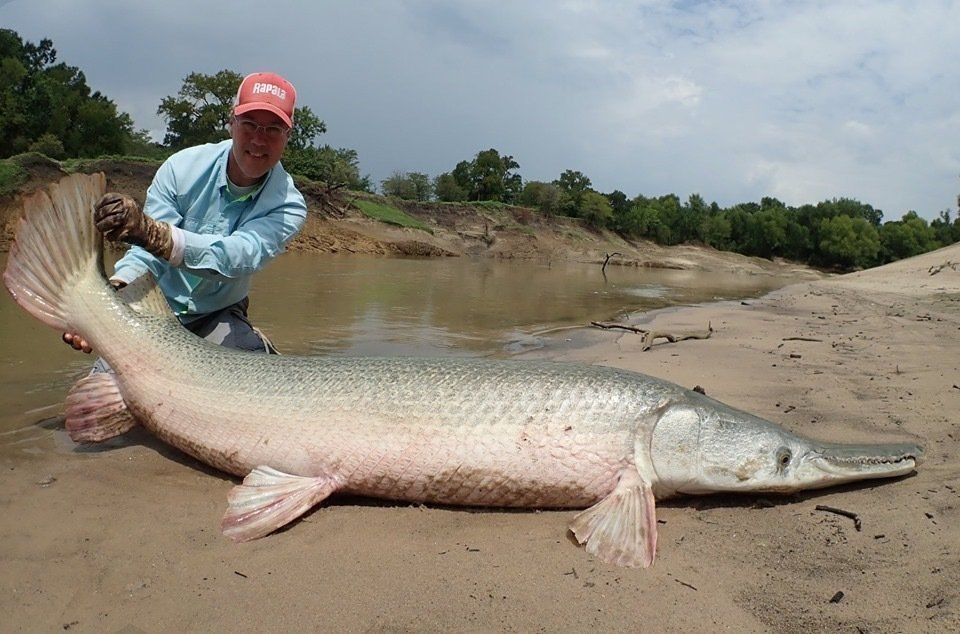
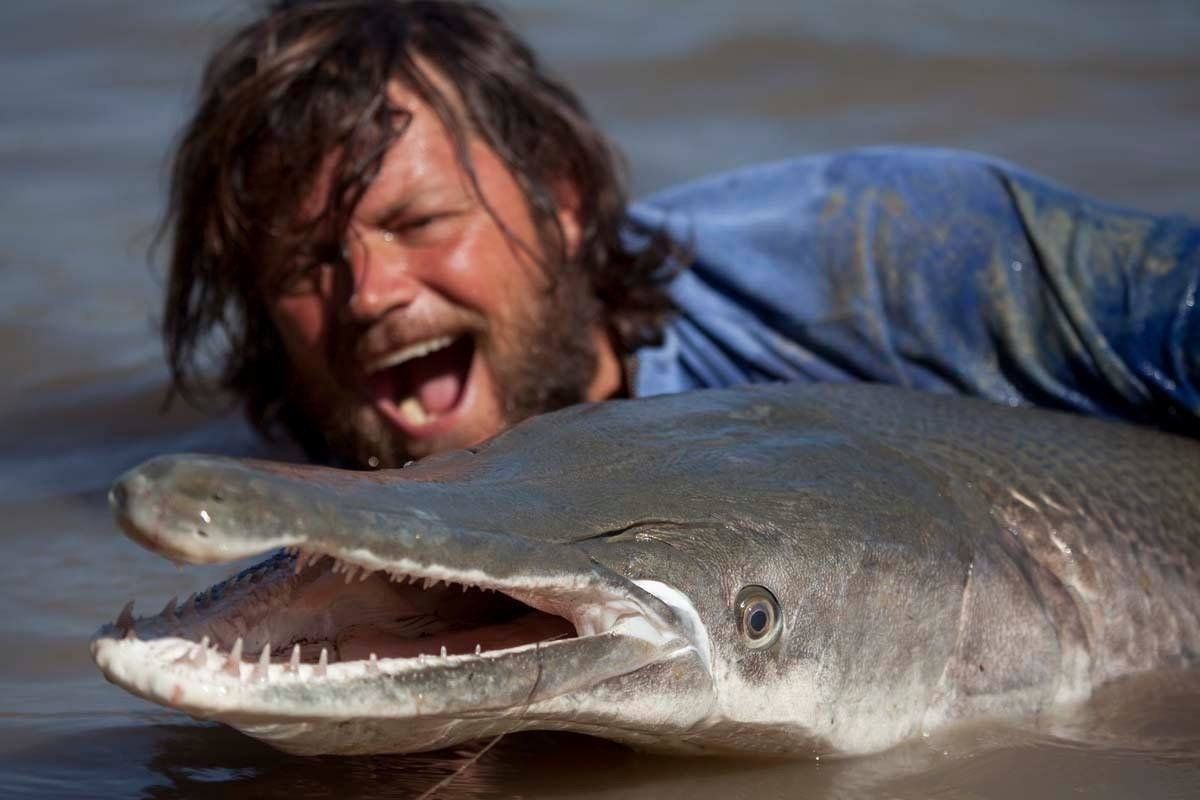
Alligator gar are not like other freshwater fish. They can exceed 300 pounds, live over 100 years, and have been swimming in Texas rivers since before the dinosaurs disappeared. They're also ambush predators — slow, deliberate, and smart enough to drop bait the moment they feel resistance.
Everything about how you rig, what bait you use, and how you set the hook has to account for that behavior. Cut corners on any of it and you'll lose fish.
Rod and Reel Setup
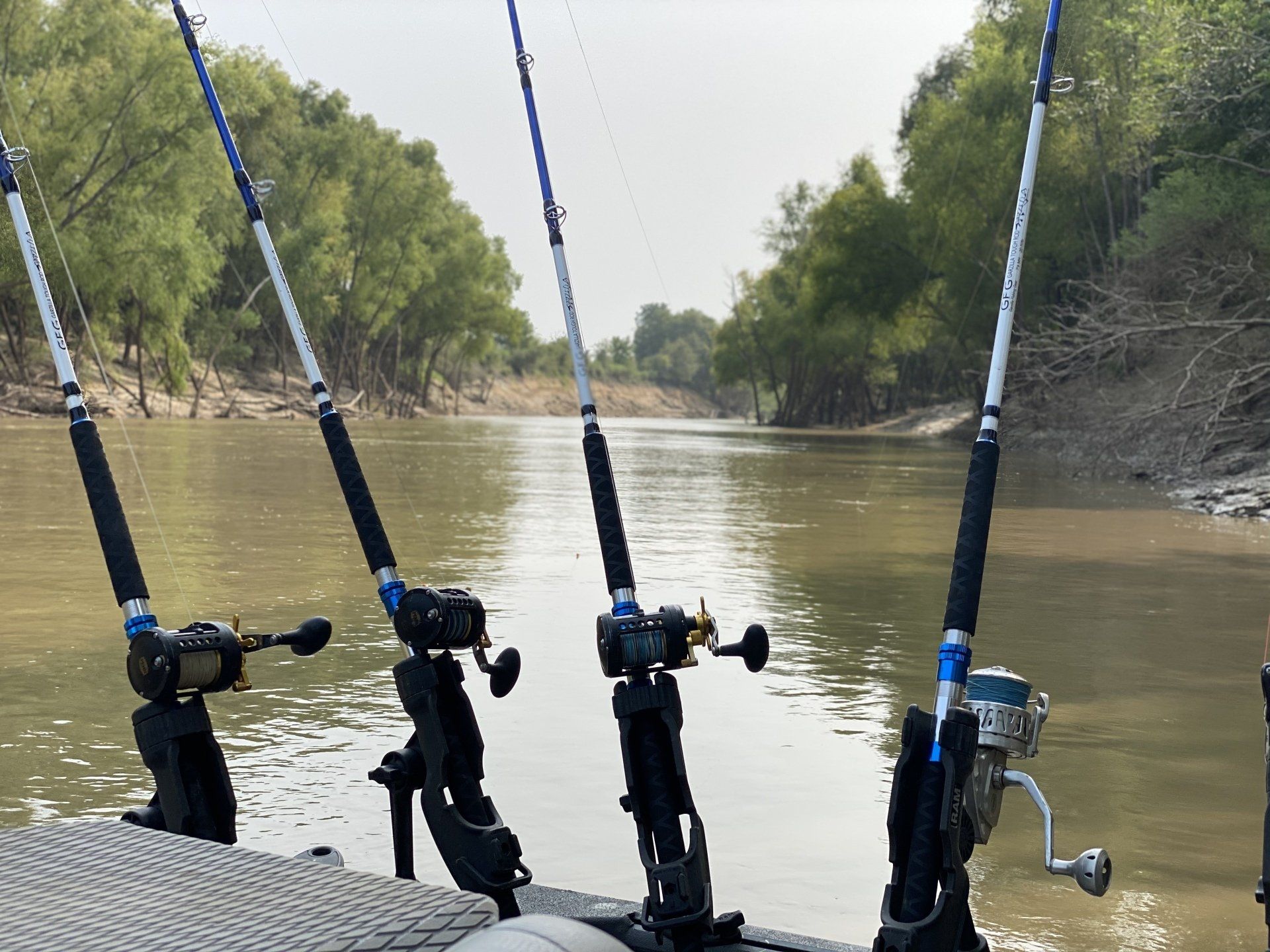
Rod: Use a 7 to 7.5-foot medium-heavy rod. You need enough backbone to drive a treble hook into a bony mouth, but enough flex to handle a long, violent run without snapping the line. Both spinning and baitcasting reels work — pick what you're most comfortable with.
Reel and line: Load at least 250 yards of 80–100lb braided line. Alligator gar make long, powerful runs. If you don't have enough line on the spool, a big fish will strip you clean before you can react. Braid is non-negotiable — monofilament stretches too much for a solid hook set on a hard-mouthed fish.
Leader Setup
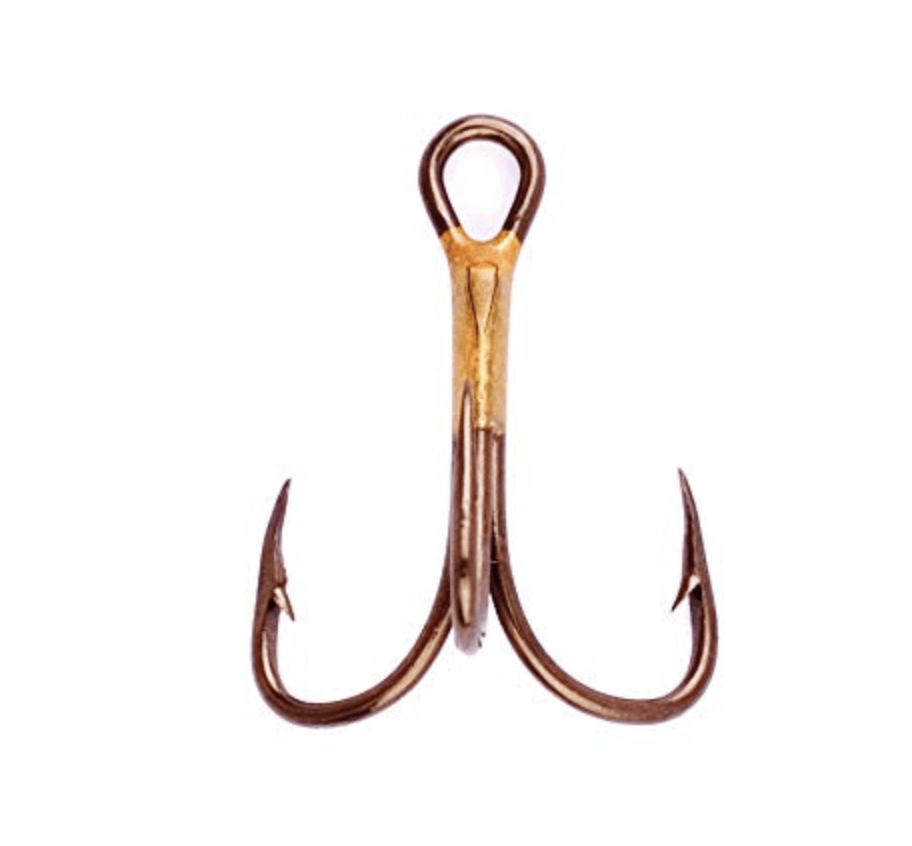
Your leader is the most critical piece of your rig. Build or buy leaders at least 30 inches long using 90–150lb monofilament or fluorocarbon leader material. You'll need:
The long leader keeps your mainline braid away from the gar's teeth and rough body during the fight. Go shorter and you risk getting cut off. We sell pre-made leaders at garfish-texas.com/store if you want to skip building your own.
Optional: A slip float can be added to suspend your bait at the right depth, especially in slower, deeper water. In current, fishing the bottom without a float typically produces better.
Best Bait for Alligator Gar
Cut bait consistently outperforms live bait for trophy alligator gar. Use non-game rough fish — carp, buffalo, and sucker fish are all excellent. In Texas, these are legal to use and easy to find.
Cut your bait into chunks at least 4 inches by 4 inches. Smaller pieces get rejected or stolen too easily by smaller fish. A big alligator gar wants a substantial meal — give it one. Hook the chunk through the thick part of the meat so it holds during a cast and stays on the hook during the run.
How to Rig and Present the Bait
Fish your cut bait on the bottom — the same general presentation as catfishing — but without a heavy sinker. This is where most people go wrong.
Alligator gar are incredibly sensitive to resistance. If they pick up a bait and feel a heavy weight pulling against them, they drop it. Every time. If you absolutely need some weight to reach the bottom in current, stay at 2 ounces or less and use a slip sinker so the gar can move the bait without pulling the weight.
The ideal setup is weightless or near-weightless, bait resting on or just above the bottom, in known gar territory.
Reading the Water
Alligator gar are not random. They hold in specific locations based on water temperature, season, current, and structure. Key spots to target:
Setting the Hook
This is where most people lose fish — and it's completely preventable.
When an alligator gar picks up your bait, do not set the hook immediately. The fish will run with the bait, stop, turn it, and swallow it. That whole process takes time. Reel down until you feel real weight and steady pressure — not just movement — then drive the hook home with a hard, firm sweep of the rod.
Setting too early is the single most common mistake anglers make on their first gar trip. Give the fish time. It will take it.
Fighting and Landing a Big Gar
Once the hook is set, get ready. A large alligator gar — anything over 100 pounds — will make multiple strong runs before it tires. Keep steady pressure, don't horse the fish, and let your drag do the work.
All alligator gar fishing at Garzilla Guide Service is 100% catch-and-release. These fish can live over 100 years. Killing a trophy gar means removing decades of genetics from the population. We've seen what happens to a fishery when big fish get killed off — the Trinity River is just now recovering. Don't be the reason it goes backward.
When to Fish
Alligator gar season on the Trinity River runs April through September. Peak action is June through August when water temperatures are optimal and fish are most aggressive. June is the single best month if you can only pick one — fish are in pre-spawn concentration and feeding hard. Early morning and late afternoon are the most productive windows. Midday in summer can be slow as fish drop deeper to escape heat.
Where to Catch Alligator Gar in Texas
The Trinity River is the best alligator gar fishery in the world. It holds more trophy-class fish than anywhere else on the planet. Our home base is Palestine, TX, which sits in the heart of the most productive stretch of the river. Other productive Texas waters include Lake Livingston, Choke Canyon Reservoir, and portions of the Red River — but none consistently produce the size of fish that the Trinity does.
Book a Trip with Garzilla Guide Service
If you want to skip the learning curve and get on fish with someone who's caught more alligator gar than virtually anyone alive, book a trip with Garzilla Guide Service.
Alligator Gar Fishing With Bubba Bedre